





THE IMPORTANCE OF STORAGE FACILITIES IN FOOD PRODUCTION
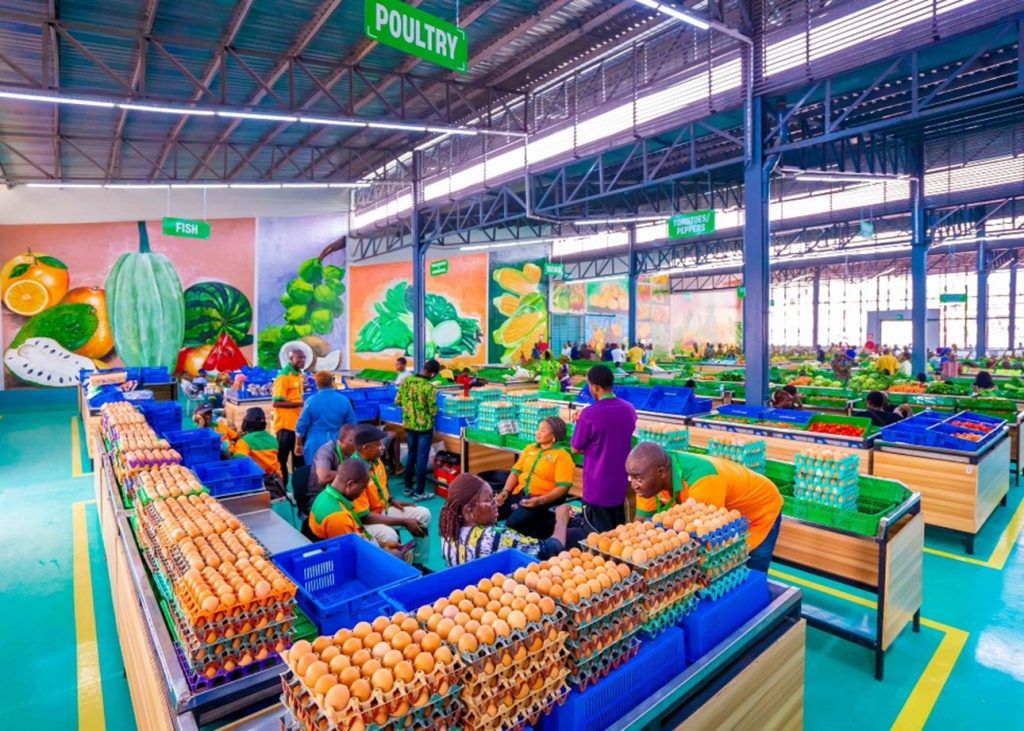
Food production does not end at harvest. One of the most critical yet often overlooked aspects of the agricultural value chain is proper storage. Across many developing economies, including Nigeria, significant quantities of food are lost after harvesting due to inadequate storage facilities.
Nigeria records an estimated 30% to 50% post-harvest loss across its total annual agricultural output. This equates to approximately 30 to 40 million metric tons of food and ₦3.5 trillion to ₦5 trillion in economic losses every year leading to reduced farmer income, food shortages, and increased market prices.
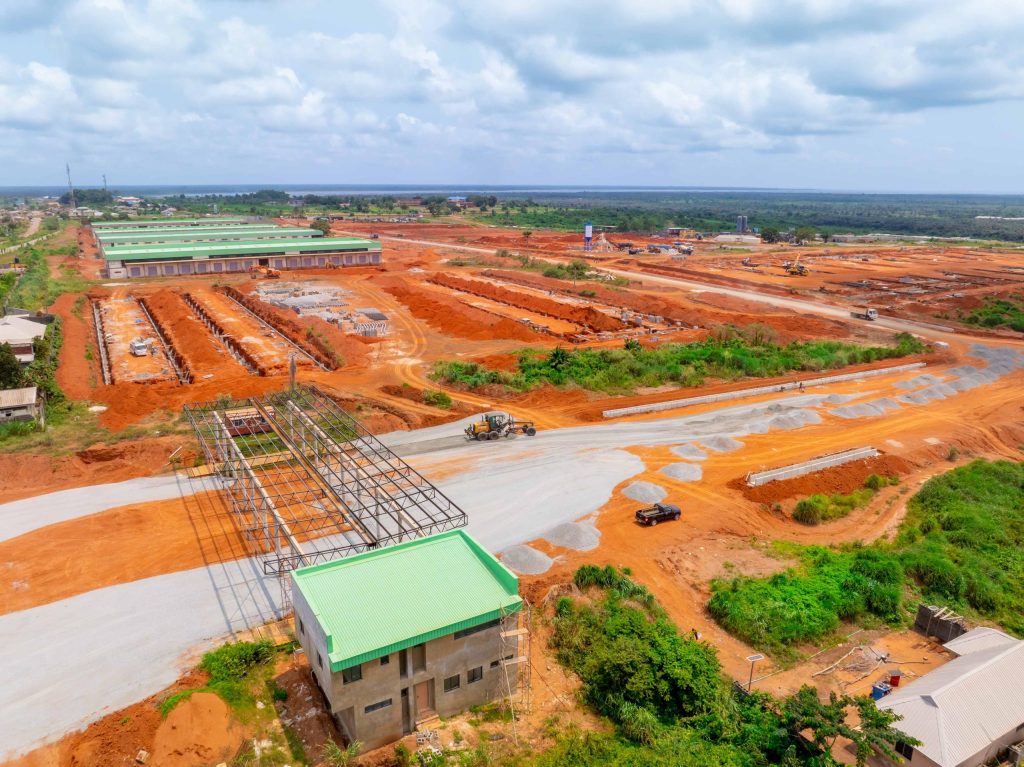
Storage facilities play a vital role in preserving the quality, quantity, and value of agricultural produce. Whether for grains, vegetables, fruits, or processed foods, effective storage systems help ensure that food remains safe and marketable from the farm to the consumer.
Reducing Post-Harvest Losses
Post-harvest losses remain a major challenge in agriculture. Exposure to pests, moisture, mold, and unfavourable weather conditions can result in substantial losses of harvested crops. Modern storage facilities provide controlled environments that protect produce from deterioration, helping farmers retain more of their harvest and maximize returns on investment.
Enhancing Food Security
Food security depends not only on production but also on the ability to preserve food for future use. Proper storage facilities enable surplus produce from peak harvest periods to be stored and distributed during periods of scarcity. This helps stabilize food availability throughout the year and reduces the risk of shortages.
Improving Farmer Profitability
Without adequate storage, farmers are often forced to sell immediately after harvest when market prices are at their lowest. Storage facilities allow producers to hold their products and sell when demand and prices are more favourable. This improves income generation and strengthens the economic sustainability of farming operations.
Supporting Agricultural Industrialization
Efficient storage infrastructure is essential for agro-processing industries. Reliable storage ensures a steady supply of raw materials for food processors, manufacturers, and exporters. This strengthens agricultural value chains, creates employment opportunities, and contributes to national economic growth.
Maintaining Food Quality and Safety
Consumers increasingly demand high-quality food products that meet safety standards. Modern storage facilities help maintain freshness, nutritional value, and product quality while minimizing contamination risks. This is particularly important for export markets where quality compliance is mandatory.
The Way Forward
As the demand for food continues to grow, investment in storage infrastructure must become a priority. Governments, agribusinesses, and agricultural technology providers have a collective responsibility to develop sustainable storage solutions that support farmers and strengthen food systems.
The future of agriculture depends not only on how much we produce but also on how effectively we preserve what we harvest.